
Physical units
A specific placeholder (variable) is required for the conversion of physical units. By entering a number after the variable, you can define the number of decimal places in the drinking water and heating trades.
| Physical variable | Variable | Physical unit of the variable | Entry in the text field | |
|---|---|---|---|---|
| One decimal place | Two decimal places | |||
| Length | CM | cm | CM1 | CM2 |
| DM | dm | DM1 | DM2 | |
| M | m | M1 | M1 | |
| MM | mm | MM1 | MM2 | |
| Volume | L | l | L1 | L2 |
| M | m³ | M1 | M2 | |
| Flow rate | MH | m³/h | MH1 | MH2 |
| MS | m³/s | MS1 | MS2 | |
| LH | l/h | LH1 | LH2 | |
| LM | l/min | LM1 | LM2 | |
| LS | l/s | LS1 | LS2 | |
| Mass flow | KGH | kg/h | KGH1 | KGH2 |
| KGM | kg/min | KGM1 | KGM2 | |
| KGS | kg/s | KGS1 | KGS2 | |
| Temperature | K | K | K1 | K2 |
| velocity | MS | m/s | MS1 | MS2 |
| Pressure | B | bar | B1 | B2 |
| HP | hPa | HP1 | HP2 | |
| P | Pa | P1 | P2 | |
| Pressure loss coefficient | Z | - | Z1 | Z2 |
| power | KW | kW | KW1 | KW2 |
| W | W | W1 | W2 | |
| Thermal conductivity | WMK | W/mK | WMK1 | WMK2 |
| Input in the text field | Labelling result | |
|---|---|---|
| Standard | {0} |

|
| Customisation | {0:M3} m |

|
| Input in the text field | Labelling result | |
|---|---|---|
| Standard | {0:HP0} hPa |

|
| Adaptation | {0:B2} bar |

|
| Input in the text field | Labelling result | |
|---|---|---|
| Standard | DN{0};Dämmschichtdicke: {1};Umgebungstemperatur: {2} |
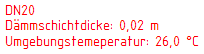
|
| Customisation | DN{0};Dämmschichtdicke: {1:CM1};Umgebungstemperatur: {2:G2} °C |
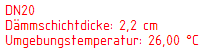
|
Note:
To convert physical units, you must enter : before the variable value.
Tip:
Check the changes you have made in the Preview field by clicking in the Preview field and the preview is updated.